Qtree Technologies
Job Assured AWS Certified Training
Master AWS Cloud, EC2, S3, VPC & Real-Time Architecting with Hands-On Projects and Placement Support
Certifications





 Job Oriented Syllabus
Real Time Projects & Hands-On Labs
100% Assured Interview Guarantee
Resume + Interview Preparation
Why Aws
in 2026
The AWS Training program is a comprehensive, hands-on course designed to build strong cloud computing and infrastructure management skills. It covers core AWS services including EC2, S3, VPC, IAM, RDS, and networking concepts, along with real-time implementation and best practices. The program focuses on practical deployment, architecture design, security, and monitoring to prepare learners for real-world cloud roles and certification readiness.
Class Formats

Classroom
In-person sessions conducted at our training center.

Online
Instructor-led virtual classes in real time.

Self Paced
Learn anytime with recorded video sessions.

One to One
Learn anytime with recorded video sessions.
Register for AWS Training
Syllabus
- Introduction to Cloud Computing
- Why Cloud Computing?
- Benefits of Cloud Computing
- Types of Cloud Computing
- Public Cloud
- Private Cloud
- Hybrid Cloud
- Community Cloud
- Typed of Cloud Services
- Infra as a Service
- Software as a Service
- Platform as a Service
- Cloud Computing Issues
- Security
- Costing Model
- Virtualization and cloud computing
- Types of virtualizations
- Virtualization terminologies
- Hypervisor
- Benefits
- Vendors
- Introduction to the AWS Services
- AWS Global Infrastructure
- Regions and Availability Zones
- Types of accessing AWS resources
- Signing up for AWS
- Introduction AWS management console
- AWS Free usage tier
- Introduction to Identity & Access Management
- Components of IAM
- Creating and Managing Users & Groups
- Creating and Managing IAM Policies
- Roles and its use cases
- Multi-Factor Authentication (MFA)
- Security Features in IAM
- Basics of Storage System
- Storage Services provided by AWS
- Difference Between Object storage and Block Storage
- Introduction to Simple Storage Service - S3
- Components of S3
- Important Properties of S3 bucket
- S3 Uploading Downloading objects
- Enabling and Managing Versioning on S3 bucket
- Encrypt the S3 bucket using Key Management
- Managing Logging on S3 Bucket
- Transfer Accelerator in S3
- Hosting a static website in S3
- Creating Event notification using SNS
- Creating Life-Cycle Management Rule S3
- Cross-Region replication in S3
- Create object Inventory
- Security features of S3 Encryption, Bucket Policy, and Permission etc.
- Snowball - Types & Use Cases
- S3 Pricing
- Storage Gateway
- Basics of Networking
- IP Address and CIDR Block
- Public and Private IP’s
- Concept of Virtual Cloud
- Default and Non-default VPC
- Subnet Concepts
- Route Tables
- Internet Gateway and NAT
- Creating and managing a Bastion Instance
- Access Control List - ACL
- VPC Peering
- Transit Gateway
- VPN Concepts
- Direct Connect
- Create VPC flow log
- Basics of Virtual Servers
- Components of a Virtual Server
- Introduction to Elastic Cloud Compute - EC2
- Use cases and important features of EC2
- Introduction to AMI - Its Uses
- Introduction to Instance and its types
- Security Groups - Creation & Management
- Inbound and Outbound rules
- Key Pair - Why & How
- Launching & Connecting to Window Instance
- Launching & connecting to Linux Instance
- Setting up a web server on Linux Instance - Hosting a website
- Elastic IP Address
- Placement Group
- Instance Pricing Model
- Tenancy Models
- Change instance type
- Introduction to Linux
- What is shell and its types
- Introduction to Bash Shell
- Understanding the Boot Order
- Understanding the different types of run-levels
- Understanding different types of shutdown commands
- Linux file directory architecture
- Understanding different types of groups and creation of groups
- Creation of users in different groups
- Understanding Passwd, Shadow Files
- Understanding passwd aging
- Creation of quotas for users, groups, and filesystems
- Understanding files and Directory
- Permission management
- ACL commands
- RPM Package Manager
- Installing and Removing Software
- Updating a Kernel RPM
- Yum Command set
- Install packages by using yum
- Apt-get command set
- Apt-cache package management
- Automation of jobs – Cron
- Monitoring commands
- Patch Management
- FTP
- DHCP
- DNS
- Apache
- Samba
- LVM
- Introduction to EBS
- Create EBS volumes
- Delete EBS Volumes
- Attach and detach EBS volumes
- Mounting and unmounting EBS volume
- Creating and deleting snapshots
- Snapshot Restoring
- Creating volumes from snapshots
- S3 (Simple Storage Service)
- Pricing
- Introduction to Elastic File System - EFS
- Configuration of EFS
- Creating and using EFS with Multiple EC2 Instances
- Types of Load Balancing
- Difference between Horizontal and Vertical Load balancing
- Types of Load Balancer in AWS
- Use Cases of Load balancers
- Important Components of Load Balancer
- How Health-Check Works for Load Balancer
- Configuration of a load balancer and its management
- Get Started with Auto Scaling Using the Console
- Use Cases of Auto Scaling
- Important Components of Auto Scaling
- Create Launch Configuration
- Configuration of Auto Scaling for multiple instance
- Configuration of Auto Scaling for single instance
- Dynamic Scaling
- Pricing
- Introduction to AWS CLI
- Setting-Up AWS CLI on local machine
- AWS CLI Command Syntax walkthrough
- Working with S3 using CLI
- EC2 CLI working with Roles
- Important Components of CloudWatch
- Creating and Managing metrics in CloudWatch
- Creating and Managing Events in CloudWatch
- Creating and Managing Dashboards in CloudWatch
- Creating and Managing Alarms in CloudWatch
- Creating and Managing Logs in CloudWatch
- Introduction to Simple Notification Service - SNS
- How SNS Works
- Important Components of SNS
- Adding Subscriber in SNS
- Managing SNS Policy
- Introduction to CloudTrail
- Creating and Managing trails
- Setting up trail for Root login Notification
- Introduction to RDS
- Different database services of AWSAmazon RDS, DynamoDB, Redshift etc.
- Configuring the database
- Configuring backups
- Configuring the maintenance windows
- Connecting to the database
- Creating a DynamoDB
- Adding data manually
- Configuring alarms
- Use of CloudFront
- Creating a CloudFront distribution
- Hosting a website on CloudFront distribution from S3 static website
- Implementing restrictions
- Configuring origins and behaviours
- Introduction to DNS
- How DNS Works
- Introduction to Route 53
- Domain Registration in Route 53
- Health Checks in Route 53
- Type of DNS record
- Routing Policies in Route 53
- Introduction to Elastic Beanstalk
- Important Concepts in EB
- Getting started with EB
- Managing Environments in EB
- Managing Applications in EB
- EB Platforms
- Important Components of Lambda
- Creating simple function in Lambda
- Creating and Managing triggers in Lambda
- Sample Code run using Lambda
- SQS
- Elastic Transcoder
- API Gateway
- Kinesis
- Web Identity Federation & Cognito
- Security Practices for Cloud Deployment
- AWS Responsibilities and Securities
- CloudTrail
- Trust Advisor
- Troubleshooting EC2 instance
- Troubleshooting using CloudWatch
- Troubleshooting using ELB
- Troubleshooting by using CloudTrail
- Troubleshooting by using CloudFront
- AWS Best Practices (Cost + Security)
- AWS Calculator & Consolidated Billing
- Understanding what IAAC is
- Introduction to Terraform
- Components of Terraform
- Basic code of Terraform
- What are AWS Organizations
- Components of AWS Organizations
- Managing multiple accounts
- Introduction of Resource Groups
- Creating and Managing Resource Groups
- Intro to Docker
- Types ECS - EC2 and Fargate
- Understanding of DevOps and modern DevOps toolsets
- Automation of code delivery and deployment pipeline
- Source code management tools – CVS, Git
- Build tools – Apache Ant, Maven
- Test automation tools – JUnit
- Continuous Integration Tools – Jenkins
- Configuration management tools – Ansible
- Monitoring tools – Nagios or SonarQube
Join our community to get updates about job opportunities, hiring drives, important announcements, and exclusive insights — all completely FREE.
Join WhatsApp CommunityWhat You Will Build During the Course
Design and implement end-to-end GitLab CI/CD pipelines for Dockerized applications deployed on AWS EC2
Automate container build, testing, and deployment using GitLab Runners, Docker, and AWS EC2
Provision and manage AWS infrastructure using Terraform integrated with GitLab-based DevOps workflows
Deploy and manage static websites using AWS S3 and CloudFront with automated, versioned CI/CD releases
Build secure CI/CD workflows for serverless applications using AWS Lambda with Docker-based packaging
Integrate AI-driven monitoring, automated testing, and intelligent security analysis within GitLab CI/CD pipelines on AWS
Program Benefits
100% Job Assistance until you are placed.
Hands-on project training with project building (3 to 5 projects).
Dedicated individual placement communication (no WhatsApp group notifications).
Corporate curriculum updated every year based on previous hiring trends.
Interview preparation (Aptitude, Communication, and Online Assessments).
Multiple mock interview rounds (based on current and previous experience).
ATS-friendly CV optimization (Naukri and LinkedIn).
Profile boosting strategies for job-search platforms.
Free LMS access for one year (CV preparation and self-assessments).
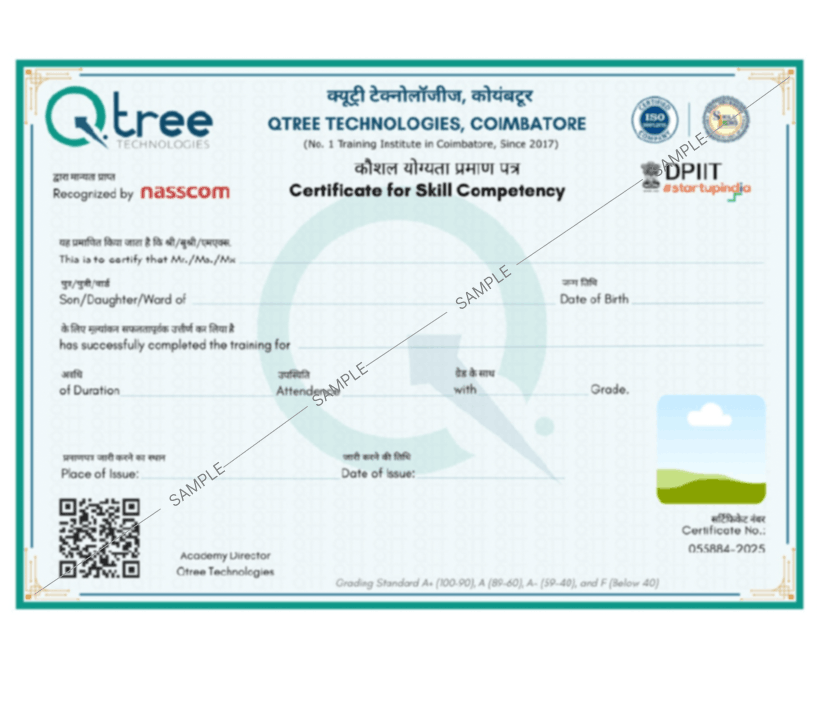
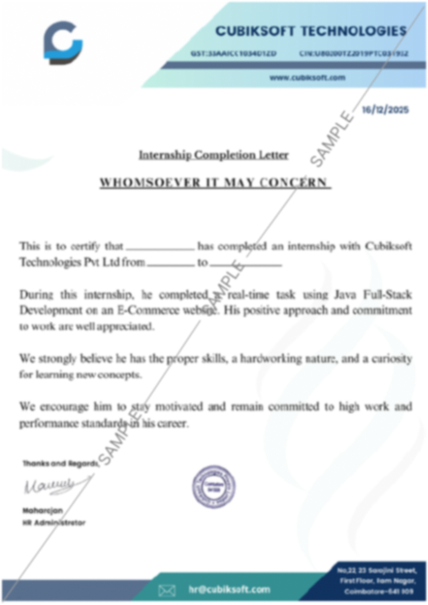
Registered and authorized course completion certificate with ISO standards and government recognition, available for lifetime verification.
Voices of Our Learners


Hiring Companies





























































FAQ for Aws Training
The career and future scope of AWS cloud services are bright. Many top IT organizations have switched to AWS as it offers a wide range of services to their clients. Some of the companies include:
- Adobe
- Airbnb
- Alcatel-Lucent
- AOL
- Acquia
- AdRoll
- AEG
- Alert Logic
- Autodesk
- Bitdefender
- BMW
- British Gas
- Canon
- Capital One
- Channel 4
- Chef
- Citrix
- Coinbase
- Comcast
- Coursera
- Docker
- Dow Jones
- European Space Agency
- Financial Times
- FINRA
- General Electric
- GoSquared
- Guardian News & Media
AWS certification opens the door to many high-paying job opportunities. Some of the top AWS job roles include:
- Operational Support Engineer
- Cloud Software Engineer
- System Integrator — Cloud
- Cloud Developer
- DevOps Engineer
- AWS Solutions Architect
- AWS SysOps Administrator
- Senior AWS Cloud Architect
According to Payscale, the average salary in India for an AWS-certified professional with one year of experience is around ₹4–6 LPA. The telecom industry is among the highest-paying sectors for AWS-certified professionals, offering competitive salary packages and a large share of AWS-related job opportunities.
AWS certifications are among the most in-demand technical credentials globally, offering strong salary prospects and career growth opportunities. With hands-on experience and practical lab knowledge, AWS-certified professionals continue to be highly valued in the IT industry.
Explore the Program in Detail
Get complete information about the course and career opportunities.